Mental health and well-being are essential components of a healthy and fulfilling life. In recent years, there has been increasing research on the relationship between diet and mental health. Food can significantly affect our mood, behavior, and overall mental health.
This article will examine the connection between nutrition and mental health and how diet can positively or negatively impact our mental well-being.
The relationship between nutrition and mental health starts with the brain-gut connection. The gut and brain are connected through the gut-brain axis. This bi-directional communication system helps regulate various bodily functions, including the digestive, immune, and central nervous systems. Research has shown that the gut microbiome, the collection of microorganisms that live in the gut, can affect mood, behavior, and cognition. A healthy gut microbiome can help improve mood, reduce anxiety and depression, and enhance overall mental well-being.
Processed foods and excessive amounts of added sugars can harm mental health. These foods can trigger inflammation, disrupt the gut microbiome, and lead to hormonal imbalances, contributing to mood swings, anxiety, and depression. Additionally, consuming large amounts of sugar can lead to a sugar crash, resulting in feelings of irritability, fatigue, and depression.
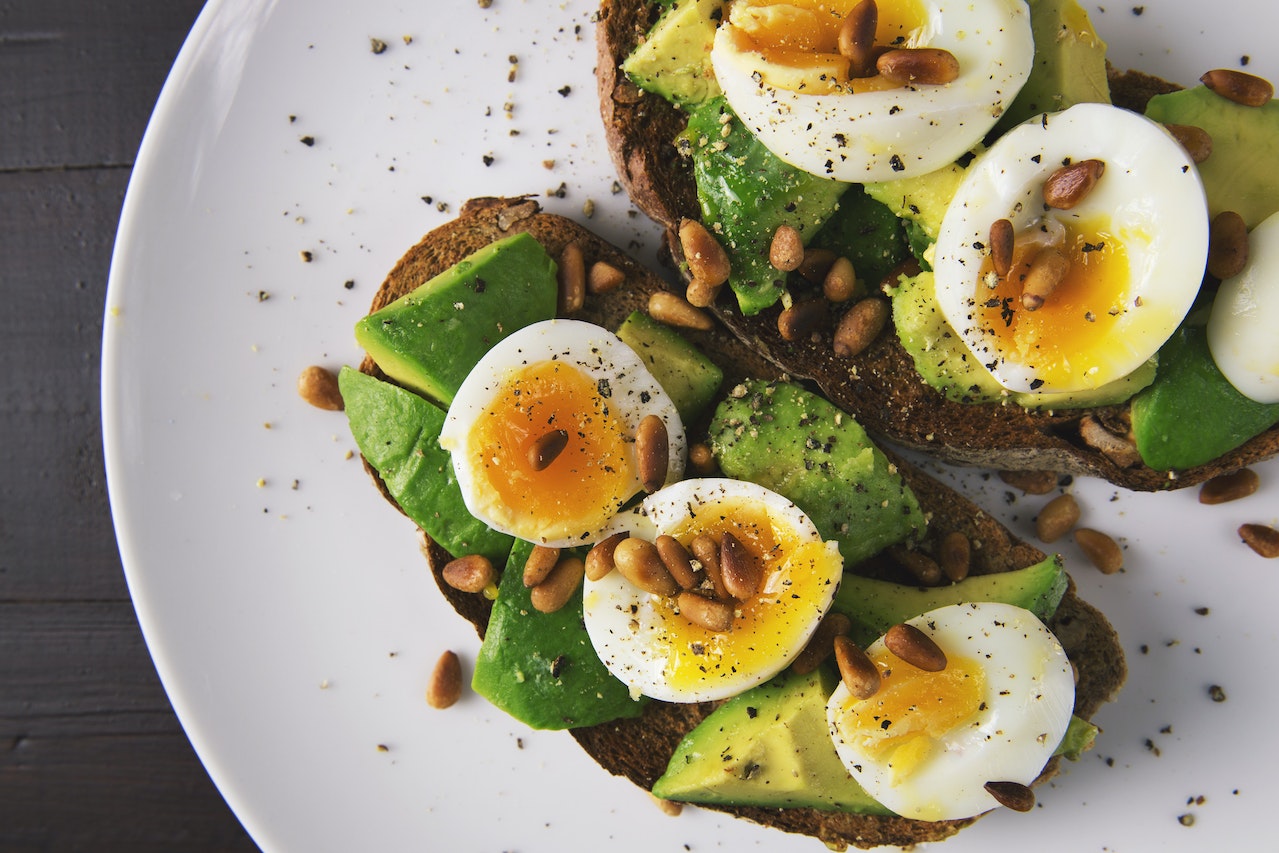
On the other hand, a diet rich in whole, nutrient-dense foods can positively impact mental health. Various fruits, vegetables, whole grains, lean proteins, and healthy fats can provide the body with essential nutrients that support brain health. These foods can also help regulate inflammation, improve gut health, and maintain a healthy weight, all of which are essential to maintaining good mental health.
Omega-3 fatty acids are essential fatty acids that play a critical role in brain health. Research has shown that omega-3 fatty acids can help reduce symptoms of depression, anxiety, and ADHD. Good sources of omega-3 fatty acids include fatty fish such as salmon, mackerel, and sardines, as well as flaxseed, chia seeds, and walnuts.
Drinking enough water throughout the day, especially in warm weather or when engaging in physical activity, is essential. Proper hydration is also necessary for maintaining good mental health. Dehydration can lead to feelings of fatigue, irritability, and confusion, all of which can negatively impact mental well-being.
In conclusion, there is a strong connection between nutrition and mental health. A diet rich in whole, nutrient-dense foods and low in processed foods and added sugars can help support good mental health. Additionally, incorporating foods high in omega-3 fatty acids, staying hydrated, and maintaining a healthy gut microbiome can improve mental well-being. By making informed choices about what we eat, we can take a proactive step toward supporting our mental health and overall well-being.
Related Posts

Must Know Things Before Visiting Bali
There are always things you wish you knew before visiting a new place so you could better manage your time and avoid missing out on some incredible opportunities.

Must-know Tips for Small Business Startups
Starting a small business is a huge but worthwhile endeavour. A big part of starting a small business is figuring out what works best for you.

Winter Fashion Essentials You Need
Even if it's cold outside, staying warm doesn't have to mean sacrificing your sense of style.

Pack Like A Pro For Ski Vacation With Backcountry
In addition to the inconvenience, once you're in a ski resort, you'll often find yourself paying over-the-odds to replace items you already have at home – so make sure you pack for your ski trip like a pro.

Chic Ways to Rock Your Urban Outfitters Black Jeans
Black jeans ought to be the simplest item in your closet to style because they're classic, neutral, and go with everything.
We use cookies from third parties and affiliate networks to enhance your browsing experience. When you purchase a product or service through our links, we may earn a commission.